How to Create a Screen-Free Evening Routine for Better Sleep
For a long time, I thought I had a sleep problem when I actually had an evening routine problem.
I would finish work tired, tell myself I deserved to relax for a few minutes, then end up scrolling on my phone much longer than planned. By the time I tried to go to sleep, I felt overstimulated, mentally busy, and somehow more tired than when I started.
Once I began replacing some of that screen time with a few simple habits, my nights started to feel completely different. I fell asleep faster, woke up less groggy, and evenings felt calmer overall.
So if you’re trying to sleep better naturally, a screen-free evening routine can make a real difference. You don’t need a perfect routine or a dramatic digital detox. Even a few small changes can help your body wind down and make bedtime feel easier!
These are the screen-free evening routine ideas that have genuinely helped me create calmer nights and better sleep.
Why a Screen-Free Evening Routine Helps
Most of us spend a huge part of the day looking at screens, whether it’s work, texting, streaming, or social media. Then we expect our brains to instantly switch off the moment we get into bed.
I noticed that on nights when I went straight from scrolling to trying to sleep, my mind felt noisy. Buuut, on nights when I gave myself even 30 minutes away from my phone, I felt noticeably sleepier.
A screen free evening routine creates a buffer between the stimulation of the day and actual rest. That transition matters more than most people think!
No-Screen Evening Routine Ideas
1. Dim the Lights Earlier Than You Think
One of the easiest evening routine ideas for better sleep is simply changing the lighting in your home.
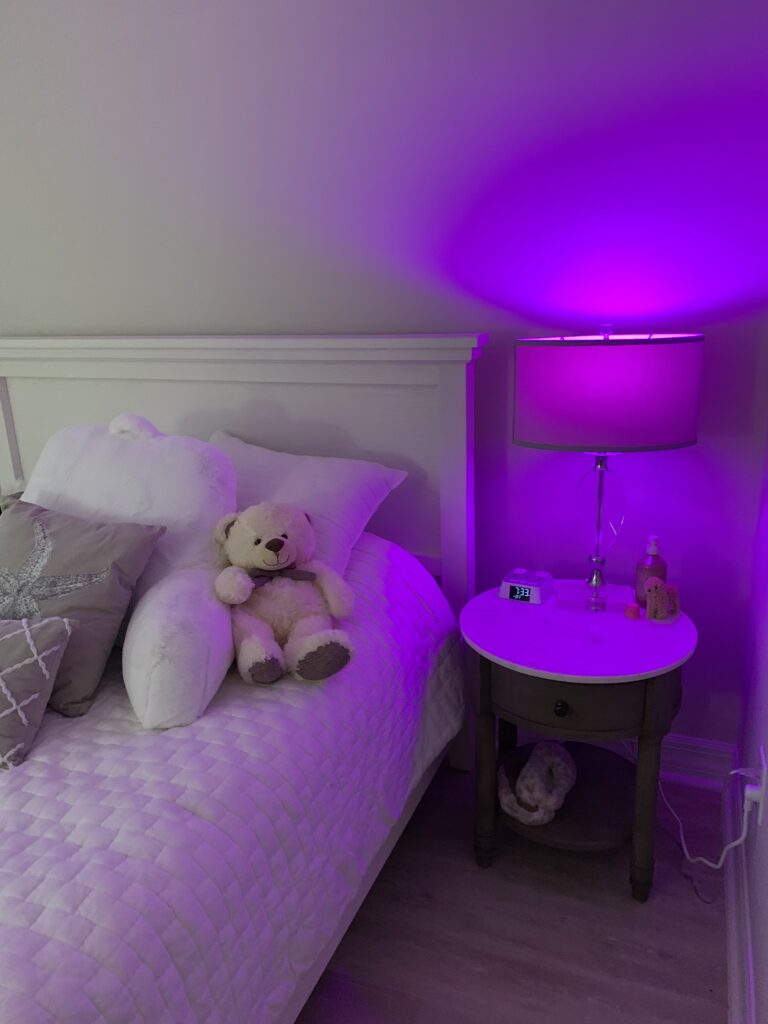
I started turning off overhead lights about an hour before bed and using lamps instead. It sounds small, but it completely changed the feeling of my evenings. Bright lights can make everything feel active and alert, while softer lighting helps create a calmer atmosphere.
Now it’s one of the first things I do when I want to shift into nighttime mode. If your evenings feel rushed or overstimulating, this is a surprisingly powerful place to start.
I also love these bulbs for being able to control not only the brightness, but also the color of the lighting.
2. Make a Warm Drink Instead of Reaching for Your Phone
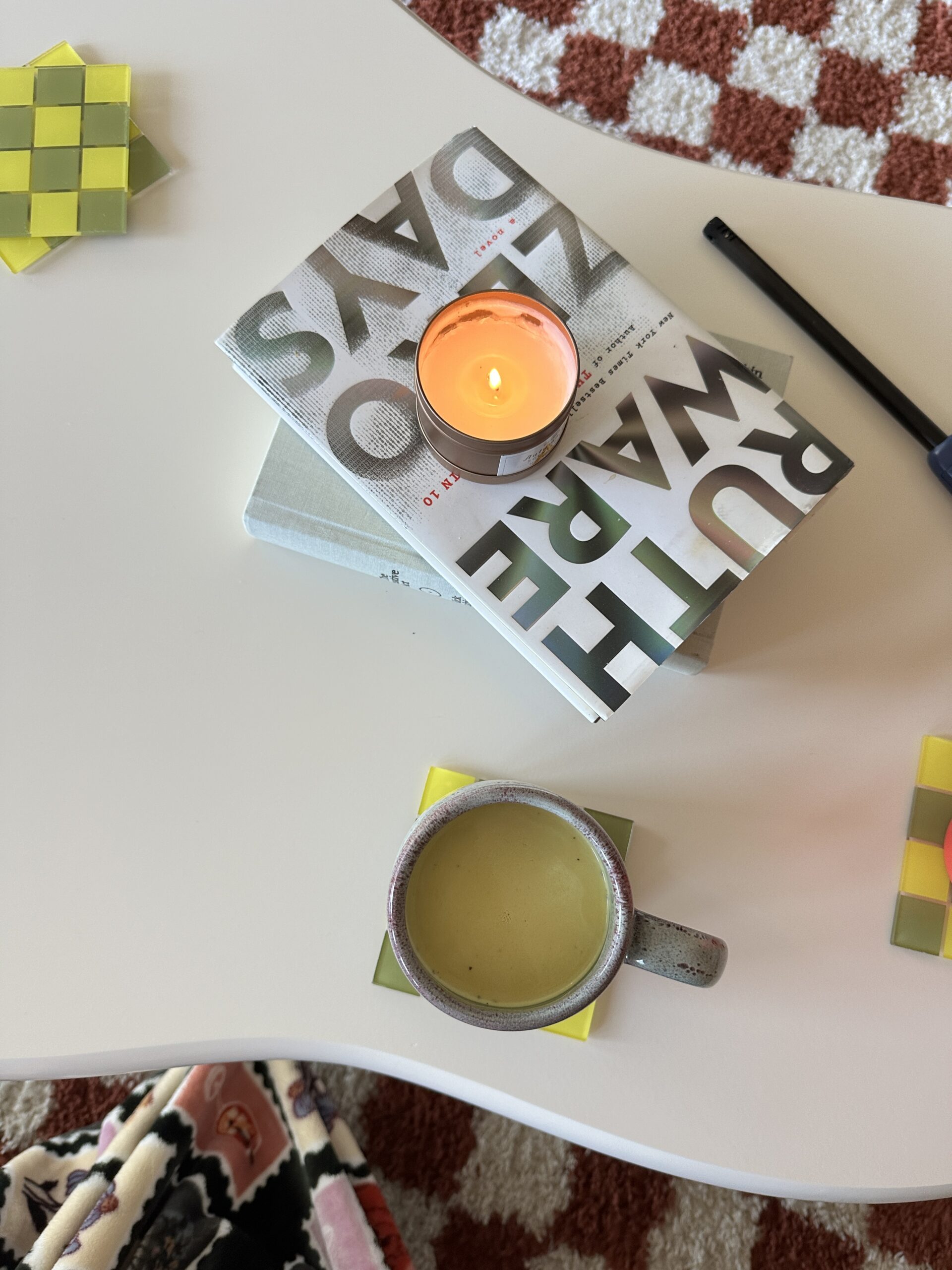
Now when I feel the urge to keep doing something at night, I often make tea instead of opening another app.
Herbal tea, warm oat milk with cinnamon, peppermint tea, or anything caffeine-free can become such a comforting bedtime ritual. It gives your hands something to hold and creates a pause in the usual habit of picking up your phone.
There’s also something grounding about making a warm drink! It signals that the busy part of the day is ending and helps you ease into a more restful headspace.
3. Do a 10-Minute Kitchen Reset
I used to leave dishes for the morning and wake up already feeling behind.
Now I spend ten minutes doing a quick kitchen reset most nights. Nothing intense, just washing dishes, wiping counters, putting leftovers away, and making the space feel ready for tomorrow.
It helps me mentally close out the day, and it also makes mornings soooo much easier. Waking up to a clean kitchen feels calmer than waking up to yesterday’s mess. It’s one of those habits that helps both your evenings and your mornings.
4. Read a Book
Reading has been one of the best swaps for a no phone night routine.
I keep a book near my bed so it’s easier to reach for than my phone. When I read even ten or fifteen pages, I get sleepy in a way that never happens after social media or streaming.
For nighttime reading try choosing books that feel enjoyable rather than overly intense or stressful. Light fiction, essays, lifestyle books, or comforting rereads can be especially good at night. The goal is to unwind, not to have trouble putting down the book (I’m definitely speaking from experience here).
5. Stretch Out the Tension of the Day
If I’ve spent a lot of time sitting or working at my computer, I can feel it by evening.
A few minutes of stretching my shoulders, hips, back, and legs helps release that built-up tension. You don’t need a full workout or complicated routine. Even gentle movement while breathing slowly can help your body recognize that it’s time to rest.
This is especially helpful on stressful days when your mind feels busy. Sometimes calming the body first makes it easier for the mind to follow.
6. Write Down What’s on Your Mind
Sometimes I’m tired, but my brain still wants to keep planning tomorrow.
When that happens, I write down everything I’m thinking about. Tasks, reminders, ideas, errands, worries, anything that keeps circling in my head.
It’s one of the simplest bedtime routine ideas, but it works because it tells your brain you don’t need to hold onto everything overnight. Once it’s written down, it often feels easier to let go and actually relax. If you want to get started with journaling and doing more introspective work, The Artist’s Way is one of my favorite places to start.
7. Shower and Change Into Clothes That Feel Like Sleep
There’s a big difference between accidentally falling into bed and intentionally getting ready for sleep.
A warm shower followed by clean, comfortable sleepwear helps create a clear shift between day mode and rest mode. It can be one of the most effective cues for better sleep because it becomes a repeated signal your body starts recognizing.
Even if I don’t shower every night, simply washing my face, changing clothes, and freshening up helps me feel more settled and ready to wind down.
8. Put On Music Instead of Watching Something
There were plenty of nights I’d tell myself I was relaxing by watching one more episode, then suddenly it was much later than planned.
Now I sometimes play soft music, ambient sounds, lo-fi, jazz, or a calm playlist instead. It gives me atmosphere without pulling me deeper into more screen time.
This works especially well while tidying, stretching, showering, or reading. It helps evenings feel cozy and intentional without keeping your brain overly stimulated.
9. Prep One Nice Thing for Tomorrow
I love doing one tiny favor for my future self before bed.
Sometimes that means setting out my coffee mug, prepping overnight oats, choosing an outfit, packing a bag, or clearing the counter for breakfast.
It usually takes less than five minutes, but it makes mornings feel softer and less chaotic. It also gives the evening a sense of completion, which can be surprisingly calming before bed.
10. Charge Your Phone Away From the Bed
This has made one of the biggest differences for me!
When my phone was next to my bed, I would check it constantly. One message could turn into twenty minutes of scrolling without even realizing it. Having it nearby made the habit automatic.
Charging it across the room or outside the bedroom removed a lot of temptation. It made my screen free evening routine easier to stick to and helped mornings feel less reactive too. If you try only one thing from this list, this is a strong place to begin.
I also have my Brick phone locking device set to turn on at 7:30 PM and ever since I started doing that, I (almost) never use social media after that point.
A Realistic Screen-Free Evening Routine
You absolutely do not need to do every habit! Instead, I chose a few that I want to do that evening and I’ll usually switch it up day-to-day.
My most realistic version usually looks like this:
- dim the lights
- make tea
- reset the kitchen (do the dishes, wipe down the counters)
- read for 15-30 minutes
- place phone to charge across the room
That’s it. Nothing dramatic, but it works.
I used to think better sleep required finding the perfect supplement, mattress, or productivity routine. But for me, it simply started with changing how I spent the last hour of the day.
If your nights currently end with scrolling and restless sleep you may just need a gentler transition into bed.
Try one or two of these screen-free evening routine ideas tonight and build from there. Small habits done consistently often change sleep more than complicated plans ever do!